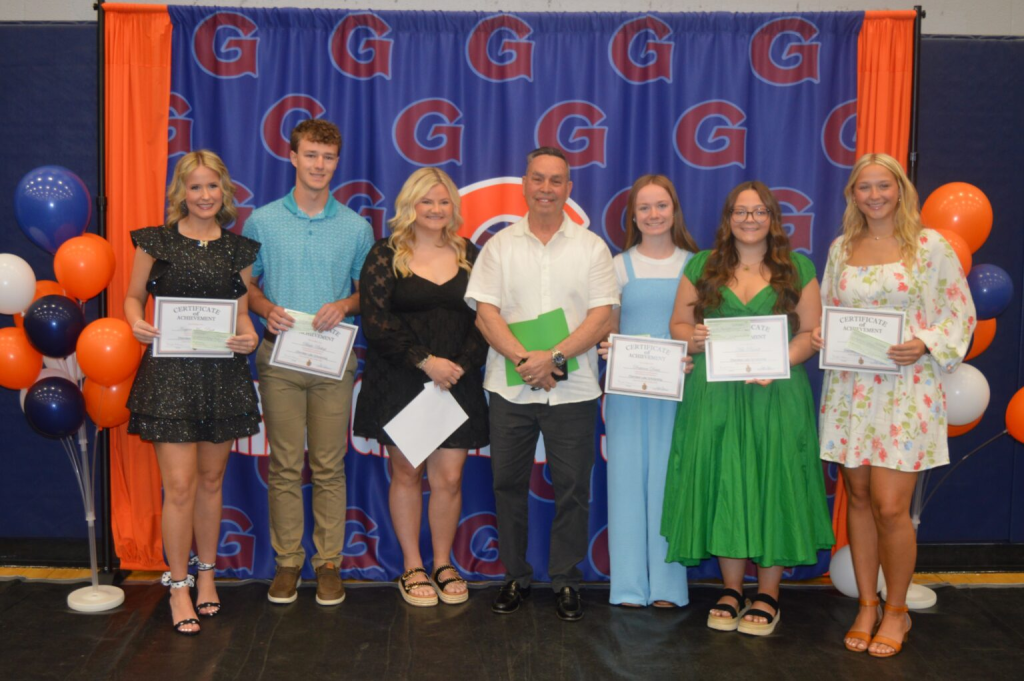
RUTLEDGE – A group of Grainger High School students were recently recognized through the annual scholarship program sponsored by Cherokee Lake Realty, an opportunity designed to encourage research, critical thinking and appreciation for the region’s history and natural resources.
This year’s essay topic challenged students to compare three Tennessee Valley Authority lakes by examining demographics, history, real estate trends and the advantages and disadvantages of each lake. Students selected from lakes including Cherokee, Chickamauga, Douglas, Melton Hill and Norris.
Students participating in this year’s scholarship competition included Blake Bishop, AylaGrace Christian, Addison Whaley, Destanee Davis, Nila Parrott and Kaycee Mae Pratt.
The 2026 Cherokee Lake Realty Scholarship winner was Kaycee Mae Pratt for her essay titled “Waters That Built East Tennessee: A Comparative Study of Cherokee Lake, Douglas Lake and Norris Lake.”
Felix Valdes, owner and principal managing broker of Cherokee Lake Realty, said the scholarship program continues to be an inspiring experience each year as students explore the history and impact of East Tennessee’s lakes and communities.
“We were incredibly proud of all the students who participated this year,” Valdes said. “The amount of effort, research and heart that went into these essays was truly impressive. These young people represented Grainger High School very well and it was encouraging to see them take such an interest in the lakes, history and communities that are such an important part of East Tennessee.”
Valdes also noted the scholarship program is about more than competition, saying the essays reflected dedication, creativity and pride in the region.
“The future is bright with students like these,” he said. “They showed maturity, professionalism and a genuine appreciation for the place they call home.”
According to Cherokee Lake Realty, the scholarship has become an annual tradition aimed at supporting local students while encouraging them to learn more about the history, development and significance of TVA lakes across the region.
The Grainger County Journal congratulates all participating students for their outstanding work and dedication.
Photo by Austin Dalton.
Essay courtesy Kacey Mae Pratt and Cherokee Lake Realty.
Waters That Built East Tennessee: A Comparative Study of Cherokee Lake, Douglas Lake, and Norris Lake
Long before lakefront homes, marinas, and weekend boat traffic became symbols of East Tennessee living, the Tennessee Valley Authority reshaped the region through ambitious water projects built for flood control and electricity. What began as infrastructure quickly became a blueprint for opportunity: steadier river systems supported industry, roads and utilities expanded, and entire communities reorganized around new shorelines. Today, TVA lakes are not only places to fish or swim; they are engines that influence where families settle, where businesses grow, and how real estate markets behave. Cherokee Lake, Douglas Lake, and Norris Lake show this transformation in three distinct ways, each with a different story, a different surrounding population, and a different kind of appeal to buyers and investors.
At the foundation of all three lakes is the TVA mission that produced them. Each reservoir was created by building a dam, reshaping river valleys, and managing water levels for multiple purposes. Over decades, those original purposes have expanded to include recreation, tourism, and residential growth, which means the “value” of a lake is not just measured in megawatts. It is measured in the quality of shoreline neighborhoods, the stability of seasonal use, and the long-term confidence buyers have when they purchase a view, a dock, or a waterfront lot. Comparing Cherokee, Douglas, and Norris is not simply comparing water; it is comparing three real estate ecosystems built around three TVA choices.
Cherokee Lake was completed in 1941, and it continues to feel closely connected to the rural identity of Grainger, Jefferson, Hamblen, and Hawkins Counties. Its shoreline is defined by quiet coves, working farms nearby, and neighborhoods that often include multi-generation owners who have lived with the lake for decades. TVA’s Cherokee Dam and reservoir operations shaped the Holston River system and created the lake that residents know today (Tennessee Valley Authority, “Cherokee Dam and Reservoir”). That history matters in the real estate market because it created a community where “lake life” is not always luxury; for many families, it is heritage.
The demographic atmosphere around Cherokee Lake tends to favor stability. Retirees are common, as are long-term homeowners who value space, privacy, and affordability. The pace is slower than that of more tourism-driven lakes, and that shapes demand: buyers who choose Cherokee often want a year-round home or a second home that feels peaceful rather than crowded. That demographic reality produces a market where word-of-mouth reputation, local relationships, and practical property features (reliable access roads, manageable upkeep, usable shoreline) can matter as much as high-end amenities.
In real estate terms, Cherokee Lake is frequently associated with accessibility. Compared to many destination lakes, it tends to offer more attainable entry points for waterfront living, especially for buyers who are motivated by lifestyle more than status. Properties often range from modest cabins and ranch-style homes to newer builds, with vacant lots still available in some areas. This makes Cherokee attractive to first-time lake buyers and to families who want a dock and a view without stepping into the highest price brackets. The tradeoff is that seasonal water management can affect docks and shoreline access, so well-informed buyers pay close attention to elevation, dock design, and the lake’s seasonal patterns.
Cherokee’s recreational identity supports that practical, community-centered market. Fishing is a major draw, and the lake’s reputation as a tournament fishery gives it credibility beyond the local area. Major organizations have hosted high-profile events on Cherokee, including Bassmaster’s college championship in Jefferson City (B.A.S.S.). In a real estate context, tournament activity does more than create weekend traffic. It builds the lake’s brand as a destination for serious anglers, which increases demand for homes that offer easy boat launching, secure storage, and reliable dock access. It also supports marinas, bait shops, and local restaurants, creating a healthier small-business environment that strengthens the appeal of nearby neighborhoods.
Another advantage for Cherokee is the presence of high-quality public recreation that adds value even for buyers who do not own a boat. Panther Creek State Park is known for extensive trail systems and views of Cherokee Lake, making it an amenity that effectively “markets” the region’s outdoors lifestyle (Tennessee State Parks). For real estate, parks matter because they stabilize appeal across seasons: when water levels are lower or boating is less convenient, trails, overlooks, and multi-use facilities keep the area attractive. That can translate into stronger year-round visitation and greater interest from buyers who want a lake community with more than one activity.
Douglas Lake tells a different story because its location ties it tightly to tourism patterns. Completed in 1943, Douglas sits near Sevier County and provides lake access within reach of one of the most visited regions in Tennessee (Tennessee Valley Authority, “Douglas Dam and Reservoir”). This proximity changes the demographic and economic picture. Around Douglas, you see a mixture of permanent residents, seasonal homeowners, and investors who view the lake as a component of a broader vacation economy. That creates a market where demand is influenced not only by local life but by visitor flow, seasonal events, and the broader reputation of the Smoky Mountain region.
In demographic terms, Douglas Lake functions like a meeting point. Local families and retirees share shoreline space with owners who may live out of state and visit a few times a year, as well as buyers who prioritize rental potential. This creates a more variable, more business-minded real estate climate. Properties near launch points, marinas, and high-access roads can carry premium value because convenience translates into higher occupancy and stronger rental appeal. In areas where short-term rentals are common, design choices like extra bedrooms, open gathering spaces, and easy parking can matter as much as waterfront footage.
Douglas Lake’s recreational profile is shaped by open water and summer activity. Boating, jet skiing, and family-oriented water sports are common, and the lake’s shoreline can feel energetic during peak months. Its tournament calendar adds another layer of visibility. Douglas hosts major fishing events and has been featured in national tournament schedules, including Major League Fishing competitions (Major League Fishing). Those events can last multiple days, drawing visitors who spend on lodging, food, fuel, and gear. In real estate, a visible tournament ecosystem supports investor confidence by signaling consistent demand for access, rentals, and marina services.
Douglas also benefits from branded, community-style events that connect recreation to local identity. The Big Bass Tour’s Ott DeFoe Classic has promoted Douglas Lake as a destination fishery with multi-day structures and large prize pools (Visit Jefferson County TN). Events like this increase the lake’s name recognition, which matters in real estate marketing: a buyer is more likely to invest when a location has a strong, recognizable reputation. It also helps create seasonal rhythms that investors can plan for. A property that performs well during tournament weeks, holiday weekends, and peak summer months can justify a higher purchase price because the income potential becomes part of the property’s value story.
At the same time, Douglas’s disadvantages are part of what makes it unique. Seasonal water drawdown is more noticeable and can reveal shorelines in ways that change the lake’s “look” in winter. For some buyers, that is a negative because it reduces year-round boating convenience. But for others, it becomes an interesting historical feature: lower water levels can expose traces of the valley’s pre-reservoir past, including visible remnants that prompt curiosity and local storytelling. In a real estate pitch, this matters because it turns an operational reality into a narrative advantage: buyers are not just purchasing waterfront; they are purchasing a place with layered history.
Norris Lake stands out as both the oldest of the three and the most “planned” in its identity. Norris Dam was completed in 1936 as TVA’s first major dam project, and the community of Norris developed alongside it as a model town (Tennessee Valley Authority, “Norris Dam and Reservoir”). That origin story still shapes the lake’s reputation today. Where Cherokee feels rooted and Douglas feels tourism-linked, Norris often feels intentionally curated: clearer water, extensive marina culture, and a reputation for premium lake living.
The demographics around Norris Lake reflect that reputation. The lake draws professionals who commute to Knoxville, retirees who want amenities, and second-home owners who view Norris as a long-term asset. This creates a market where higher price points are more common, and where the “buyer profile” often includes people who are looking for a specific standard of lake experience. Gated communities, modern builds, and upscale shoreline developments are more visible here, and that elevates both demand and competition for prime lots.
From a real estate perspective, one of Norris Lake’s most powerful advantages is perceived stability. Buyers often associate Norris with clear water and consistent recreation, and that perception supports higher values. When a lake’s reputation is “premium,” it influences everything from appraisal expectations to how quickly listings move. Norris’s marina network also strengthens this ecosystem, because marinas represent infrastructure: they make boating easier, they create social hubs, and they support businesses that make lake living feel complete. The result is a market where lifestyle branding and investment confidence reinforce each other.
Norris Lake is also defined by signature events that connect recreation to community and publicity. One of the most visible examples is the Rocky Top Power Run, a multi-day boating event on Norris Lake that includes marina stops and draws attention to the lake’s boating culture (Speedboat.com). Events like this serve as marketing without being advertisements. They generate media attention, bring visitors into local towns, and help the lake develop a recognizable identity beyond the region. In real estate terms, that identity can raise demand for rentals and second homes, especially for buyers who want to be close to the lake’s social energy and marina network.
Community-based lake stewardship also plays a role in Norris’s market image. Organized clean-up efforts and event calendars promoted by lake groups help communicate that the lake is cared for and active year-round (Norris Lake Marinas Association). That may sound small, but it matters to buyers: people invest more confidently when they believe a community maintains shared spaces. A well-maintained lake culture supports long-term value by protecting the features buyers are paying for: water quality, scenery, and a strong neighborhood environment.
Comparing all three lakes makes it clear that “best” depends on buyer priorities. Cherokee Lake’s strength is affordability and tradition. It appeals to buyers who want space, quiet coves, and a community that feels local and steady. Douglas Lake’s strength is its location and visitor-driven opportunities. It appeals to buyers who want recreational energy, summer demand, and potential income that’s connected to the region’s tourism economy. Norris Lake’s strength is premium stability and lifestyle branding. It appeals to buyers who want clear-water reputation, marina infrastructure, and long-term value supported by high demand.
Those differences show up in how each lake is “known.” Cherokee is known for its fishing culture and its park-backed outdoor lifestyle. Douglas is known for big-water summer recreation and tournament visibility within reach of the Smokies. Norris is known for clear water, marinas, and a boating scene that supports signature events. In real estate, what a place is “known for” becomes a marketing tool. Buyers often make decisions based on narratives, and each lake offers a different narrative: heritage, tourism, or premium stability.
There are also lesser-known details that can make a buyer fall in love with a lake. Cherokee’s state-park trails and overlooks offer a year-round reason to visit, even when boating is not ideal (Tennessee State Parks). Douglas’s seasonal changes can reveal the landscape’s earlier stories and create a sense of place that feels layered rather than manufactured. Norris’s planned-town history creates cultural interest that pairs well with recreation. These details matter because real estate is emotional as much as financial; people purchase the life they imagine living.
Ultimately, Cherokee Lake, Douglas Lake, and Norris Lake prove that TVA reservoirs are far more than scenic landscapes alone. They shape where people live, how communities grow, and which investments endure. Each lake offers a distinct balance of affordability, recreation, and long-term value. Understanding these differences helps buyers, investors, and real estate professionals make decisions that respect East Tennessee’s heritage while guiding its future with intention.
Works Cited
Tennessee State Parks. “Panther Creek State Park.” Tennessee State Parks, tnstateparks.com/parks/panther-creek.
Tennessee Valley Authority. “Cherokee Dam and Reservoir.” Tennessee Valley Authority, tva.com.
Tennessee Valley Authority. “Douglas Dam and Reservoir.” Tennessee Valley Authority, tva.com.
Tennessee Valley Authority. “Norris Dam and Reservoir.” Tennessee Valley Authority, tva.com.
B.A.S.S. “B.A.S.S. Taps Tennessee’s Cherokee Lake as Site of 2025 Bassmaster College National Championship.” Bassmaster, 8 Apr. 2025.
Major League Fishing. “2025 Phoenix Bass Fishing League, Douglas Lake.” Major League Fishing, 10 Oct. 2025.
Visit Jefferson County, TN. “Big Bass Tour, Ott DeFoe Classic.” Visit Jefferson County, TN, visitjeffersoncountytn.com.
Speedboat.com. “Rocky Top Power Run Coming to Tennessee Aug. 7-9.” Speedboat, 9 July 2025.
Norris Lake Marinas Association. “Events.” Norris Lake Marinas Association, norrislakemarinas.org/events/.